Hypothermia Symptoms and Causes
Published by Ian Fortey in nauticalknowhow Last updated on January 2, 2024
Hypothermia is a real danger even when you don’t expect it. Understanding the symptoms and causes of hypothermia can help you both prevent and deal with it after the fact. Cold temperatures can lead to body heat loss, and severe hypothermia can set in. When your core body temperature drops, symptoms of hypothermia happen quickly.
Any boater needs to know the symptoms of hypothermia. Also, the conditions that can lead to it. And finally, how to raise a low body temperature quickly and safely.
Let’s take a look at what can cause hypothermia and how you can deal with it.
What is Hypothermia?

- Hypothermia is a medical condition.
- It can happen when your body loses heat faster than it can produce it.
- Your normal body temperature is around 98.6 F degrees.
- If your body temperature drops too far, your internal organs begin to fail.
- Your heart and nervous system will no longer function properly. This happens when low temperature causes your blood vessels to contract.
- Blood flow to your heart will decrease. That reduces oxygen levels as well. Blood pressure and heart rate will increase.
- Frostbite and hypothermia are not the same thing.
What Temperature Is Hypothermia?
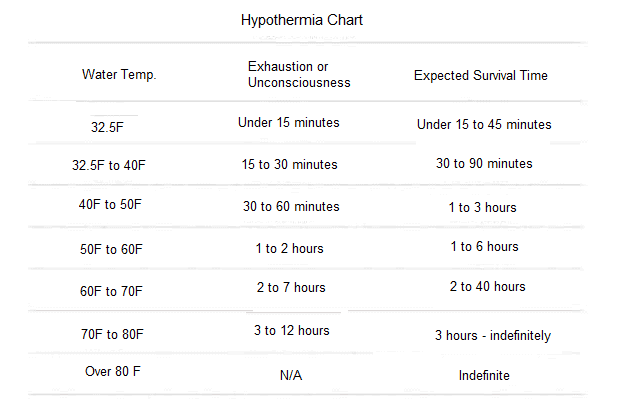
Once exposure to cold water drops your body temperature below 95 F or 35 C, hypothermia begins. The colder the water, the shorter amount of time you can endure exposure. Any temperature below about 80 F can cause hypothermia. Above that your body is normally able to produce enough heat to compensate for the difference between ambient temperature and your body temperature.
What Causes Hypothermia?
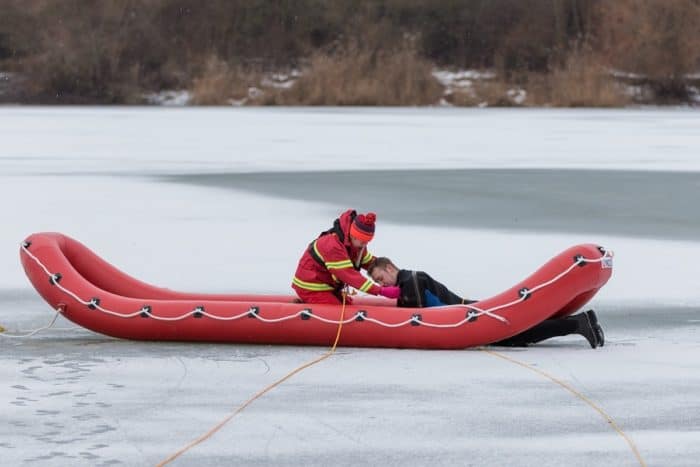
Prolonged exposure to the cold causes hypothermia. Human body temperature is roughly 98.6 F or 37 C. When you are in an environment colder than that it absorbs the heat from your body. Hypothermia is what happens when you lose heat faster than your body can produce it.
Cold air can cause hypothermia but cold water causes it much faster. Your body can cool down 25 times faster in cold water than in cold air.
How Long Does it Take to Get Hypothermia?
The following chart explains at what temperature you can expect to succumb to cold water and hypothermia. If water is under 80 degrees, there is a risk of hypothermia developing. Water of 80 degrees should not pose a risk of hypothermia.
How Long Does it Take to Die From Hypothermia?
Hypothermia can be fatal in as little as 15 minutes. As well, the water does not need to be freezing. Many people make the false assumption that waters in Southern regions are safe. It is entirely possible to develop hypothermia in places like Florida or the Bahamas.
Signs and Symptoms of Hypothermia

There is a difference between just being cold and the onset of hypothermia. Be on the lookout for these hypothermia symptoms.
- Excessive shivering
- Slurred speech
- Memory loss
- Weak pulse
- Lack of coordination
- Drowsiness
- Low energy
- Loss of consciousness
Mild Hypothermia vs Severe Hypothermia
There are different levels of hypothermia. In fact, hypothermia is a progressive condition that gets worse with longer exposure. How severe your case is can affect how your symptoms present.
- Mild hypothermia may present with just some shivering.
- Moderate hypothermia is where confusion sets in. This can be exacerbated by certain medical conditions. Also, alcohol consumption can make this worse.
- You need to be careful if your body temperatures drop too fast and too far. Your risk for hypothermia of a severe nature increases.
- People with severe hypothermia may have more unusual symptoms.
- One unusual symptom the removal of clothing. In your confused mental state, you may feel too hot. People in this state will remove their clothing, even in the coldest conditions.
Cold Water Immersion and Hypothermia
Many boaters overlook the difference between water temperature and air temperature. It can feel like a warm day in the sun. However, the water temperature may still be dangerously cold. Your core temperature will drop quickly in this kind of deceptively warm weather.
The Effects of Cold Water
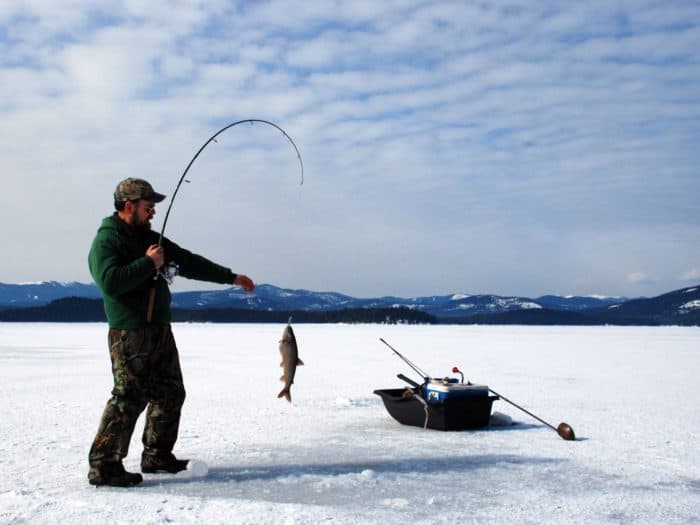
If a sudden wave or other incident knocks you overboard, you will go through four stages of effects. Be wary of these as cardiac arrest and other medical conditions can arise.
1.Cold Shock
It is your body’s natural reaction to gasp upon a sudden cold shock. This is how many would-be survivors of shipwrecks perish at sea. You reflexively pull water into your lungs. If you know you are falling overboard, try to cover your mouth with your hands to prevent this.
2. Bodily Effects
Once you are immersed in cold water, it will inhibit your ability to swim as normal.
- Wet clothing will weigh you down.
- Your muscles activity will be hard to control.
- You will lose manual dexterity
- Matching breathing to swimming strokes will become challenging
- Lack of coordination will start making you swim at odd angles
- It becomes more difficult to keep your head above water
- Drowning is a possibility
3.Hypothermia
This is when the onset of the above mentioned symptoms and effects begin.
4.Post-Rescue Collapse
Even after being pulled from the water, the risk of hypothermia is still present. Your body parts may suffer a variety of continued symptoms. The exposure to cold and heat loss you experience are still dangerous.
- Loss of hydrostatic pressure. This means your blood pressure may drop dangerously. This can lead to heart failure or brain damage.
- Lung damage. Inhaled water can damage your lungs. This can lead to pneumonia-like symptoms.
- Heart damage. When your heart temperature drops too low, this affects blood pressure.
- Bleeding. After extreme exposure to cold conditions you may not be aware of injury. As your core temperature increases so will blood flow. The risk of blood loss is present.
- Other injuries. Up to 20% of hypothermia victims may have received non-cold related injuries. This includes spinal cord injuries and others that can be hard to detect at first.
Treatment of Hypothermia
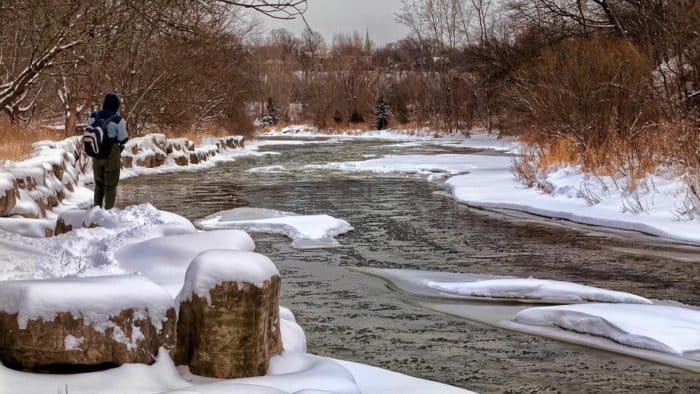
Hypothermia treatment requires care and caution. Be gentle with the patient. As we said, they may have suffered unseen injuries.
- DO NOT RUB THEIR BODY PARTS. When your hands are cold, you may be tempted to rub them together. Do not rub the body of a hypothermia victim. This will cause the cold blood to circulate to the body’s core. It can make the situation worse. Any excessive movements could trigger cardiac arrest.
- Keep the victim horizontal
- Move the person out of the cold if possible. If not possible, shield them as much as possible from wind.
- If you are in the wilderness, getting the victim in a sleeping bag can help. Sharing body heat with them in this case can also be of benefit in terms of raising body temperature.
- Remove wet clothing. You may need to cut the clothing off to limit movement.
- Cover the victim in layers. Use blankets or coats or whatever is handy and dry. Leave their face exposed but cover everything else.
- Insulate their back. If you are still outside, make sure the victim is on a blanket, not cold ground.
- Use warm beverages. If the victim is conscious, have them drink warm fluids. Do not use alcohol and try to avoid caffeine.
- Use warm, dry compresses. Hot water bottles are ideal. In a pinch, a normal water bottle for drinking filled with warm water will also work. Apply these to the neck, chest, and groin. Do not apply them to arms and legs. This will force cold blood back to the core.
- Do not apply direct heat. No hot water, no heating pads, and no heating lamps. This may damage skin and also cause irregular heart function.
- Monitor breathing. If the victim has fallen unconscious and breathing has stopped, use CPR. Being trained in CPR and first aid when you go out on a boat is vital for just this reason.
Medical Treatment for Hypothermia
If the hypothermia is severe enough, more extreme measures may be taken. These methods are only to be done by skilled professionals. If you are taken to a hospital with severe hypothermia, these are the treatments you may receive.
- Blood rewarming. This will be done in a hospital. Blood from the victim is drawn, warmed up, and circulated back into the body. This requires a hemodialysis or heart bypass machine. Trained physicians must administer this.
- Airway rewarming. Patients can receive humidified air. This will be delivered either by a nasal tube or a mask. The warm air will circulate to the lungs and raise internal temperature.
- IV Fluids. Like blood rewarming, this will introduce warm fluids into the victim’s body.
- Irrigation. In serious cases, fluid irrigation may be used. This involved applying warm fluid inside the body itself. Saline solution is introduced to body cavities through a catheter. Often this will be around the lungs. It can also be done around the abdominal cavity.
How to Prevent Hypothermia
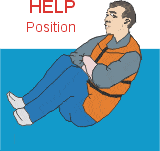
The best way to deal with hypothermia is to avoid it altogether. Here are some tips for preventing hypothermia.
- Always have a personal floatation device (PFD) handy. This will limit the strain and effort on your body when you get in the water. A lifejacket or floatation device should be available for every person on your boat.
- Limit movement. The less you move, the less heat you will lose. Don’t try to swim unless you have a target you can reach nearby. Even if you are a skilled swimmer, if you are not close to land or a dock, do not try to swim. You will quickly run out of energy and succumb to hypothermia faster when you swim.
- Get as much of your body out of the water as you can. If you have a PFD or debris nearby, try to stay on it as much as possible.
- Float in the HELP position. If you have a life jacket on, you can pull your legs up to your core. You may know this as the fetal position. You can safely float in this position. It is the best position to prevent loss of body temperature.
- If there are two or more people in the water, try to huddle together. This can preserve some body heat.
The Bottom Line
In icy water, hypothermia can happen in under 15 minutes. This can lead to unconsciousness and even death in that short amount of time. But even in warmer water, hypothermia is a risk.
Cold water can suck the warmth from your body 25 times faster than cold air will. Even southern climates may not be warm enough and any water below 80 F could lead to hypothermia if you stay immersed for too long.
Cold shock can set in quickly after entering frigid waters and cause you to gasp, breathing in water. Even with a proper life jacket you can be at risk of further effects including a loss of dexterity, shivering, confusion and unconsciousness. Death is a real possibility.
Water safety is essential for preventing hypothermia. Always have access to flotation devices and a properly fitting life jacket. Never try to swim for safety unless you are close to shore or somewhere you can reach. Do your best to keep above water and float in the HELP or fetal position to preserve core heat

Categories: nauticalknowhow








1 Comment
Dan on May 6, 2021
Great article. Please note spelling mistake. ********
You may know this as the fetal position. You can safely float in this position. It is the best position to present(PREVENT) loss of body temperature.