How To Winterize A Boat
Published by Ian Fortey in nauticalknowhow Last updated on July 10, 2023
Do you know what winterization is? You need to know how to winterize your boat. And you’ll need to know how to winterize your boat before those freezing temperatures roll in. Fortunately, you don’t need to pay a pro to winterize your vessel, even though that is an option. We can offer
When the temperature finally gets too low, water in your boat is going to freeze if you are unprepared. This can happen in the bilge, in the boat’s internal plumbing, and in the engine..
Why You Should Winterize Your Boat

- As ice expands it can push with a remarkable force, enough to crack an engine block. When that happens, the engine is essentially destroyed.
- Your insurance company may not cover claims such as these if the boat was not properly winterized.
- Any other pipes and hoses in the boat can suffer the same fate
- Even those in southern states need to prepare their boats. Most freezing claims actually come from states that are traditionally considered warm.
- Texas leads the nation with freezing engine claims.
- Winterizing your boat can prevent costly repairs.
- It will also ensure you get to enjoy your boat when and how you want to.
Let’s take a look at the process of winterizing your boat, step by step.
- You’ll need to prepare your engine components.
- The cooling system
- Drain plugs
- The bilge pump and more
There are a number of steps that can be simple and won’t cost a lot. You’ll learn to
- change the oil
- clean the freshwater system
- prevent moisture accumulation
This will prepare it for boat storage and a safe winter.
Winterizing a Boat: The Basic Steps
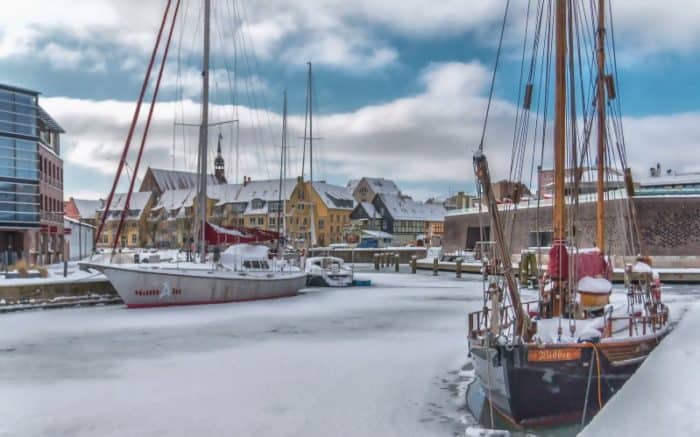
The process of winterizing boats depends heavily on the kind of boat you have. Different boat engines require different methods of winterization. There are some basic steps that will apply to all boats.
- Clean the boat. This is a basic first step and suitable for all boat types.
- Wash down the outer hull, the props, rudder, shaft and all other external parts of the boat. This is especially important for saltwater vessels.
- Rinse with clean, fresh water.
- Fuel stabilizer. You’ll want to run a fuel stabilizer through your engine.
- Allow the engine to run to circulate the stabilizer.
- Never leave your engine empty. Condensation can build in an empty tank. If anything, top up your fuel before storing for the winter.
- Clean the bilge. Use soap and water to clean your bilge.
- Dry it thoroughly when done.
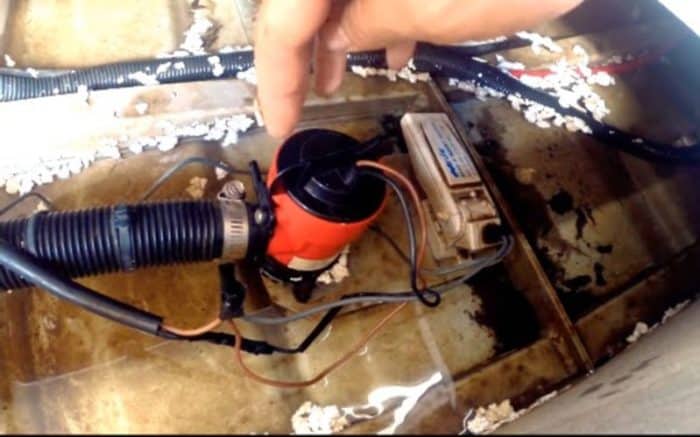
- Add antifreeze to the bilge in case any water remains.
- Give it a spray with something like WD-40 to displace water is also a good choice.
- Clear all water. Make sure there’s no water in any additional systems. Clean out the raw water washdowns, the livewell and wherever else water may be found.
- Remove drain plugs.
- Remove valuables. You never want to leave anything of value on your boat if you’re storing it for the winter. This includes:
- Electronics
- First aid kit
- Life jackets
- Fire extinguishers
- Safety gear
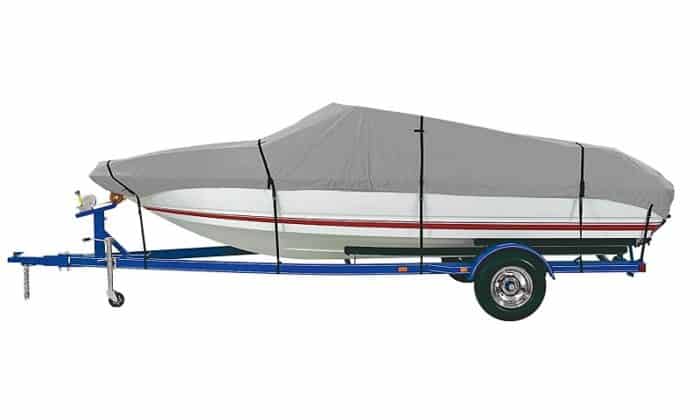
- Cover the boat. You’ll want to use a properly fitted boat cover or tarps to keep out moisture and vermine. You can also have the boat professionally shrink wrapped.
These are basic steps for any vessel. Depending on the type of boat you have, however, there are specific steps you need to take.
Inboard Engine Winterizing
- Start the process of winterizing your inboard engine by allowing it to run long enough to warm up.
- Change out the engine oil and transmission fluid with new fluids.
- Engine oil filters need to be changed also.
- A freshwater cooled engine should have two different systems.
- The engine has a raw water side. This circulates water to help cool the engine. This side uses water and antifreeze. You need to make sure you have proper antifreeze in your engine to keep it cool.
- Flush the system with clean water. Then follow the directions on the antifreeze to make sure it works properly. Typically this will require a 50/50 mix of antifreeze and water. Just make sure you run the engine long enough to allow antifreeze to fully circulate.
- You can remove the spark plugs at this point as well. Look for any corrosion or scoring. There may be carbon buildup as well.
- If needed, you can clean the carbon build up off. Use a metal brush to clean out the cylinders as well.
- Spray them with some fogging oil.
- You can clean up the engine with a microfiber towel and then spray the whole thing with some fogging oil as well.
Outboard Motor Winterizing

The best method for winterizing an outboard motor involves the owner’s manual. There are too many different kinds and different designs to give a 100% accurate answer. In general, there are a few steps you can follow. This ensures clean fuel systems.
- Start by cleaning your engine down. Soap and water will get it cleaned up well.
- Flush the inside with fresh water.
- Disconnect the fuel hose and let it run until it’s drained.
- Fog the engine with fogging oil, including cylinders and the exterior as well.
- Change the gear oil
- Grease the propeller shaft
- The owner’s manual is important. It will tell you what you need in order to continue winterizing your outboard engine.
Sterndrive Engine Winterizing
Like outboards, there are several kinds of sterndrive engines. You will need to check your owner’s manual to make sure you know precisely what to do.
- Depending on the type of inboard/outboard motor you have it may take in water from a thru-hull.
- Other models require different flushing techniques. This is why it’s important to keep the manual and follow it closely. You may need just a garden hose.
- Make sure that you clean the engine thoroughly.
- Also make sure you allow the antifreeze to fully run through the engine. This will ensure that your engine is able to stand up to any weather that pops up over the winter.
Choosing the Right Antifreeze
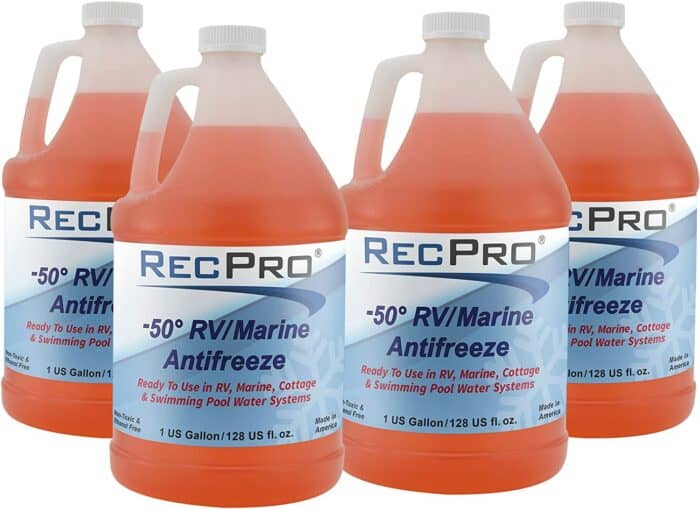
Winterizing antifreeze is not the same as engine antifreeze. Antifreeze that runs through your engine is made with ethylene glycol. It’s potentially lethal and for that reason can’t be used in your boat’s freshwater systems.
- Winterizing antifreeze has to be non-toxic. It is a propylene glycol antifreeze. It’s used to winterize your plumbing system. That means you may end up drinking trace elements of it.
- Likewise, in your bilge and other systems it can end up circulating back into the environment. For that reason it needs to be safe to use. Read the labels carefully to make sure you’ve chosen the right product.
- Some formulations of antifreeze are only good down to certain temperatures. If you have an antifreeze that is only good to -32 degrees watch out. If your average cold temperature is -30 you could be in trouble.
- If the antifreeze says it’s good to -50F you need to know what that means. At -50F the antifreeze will be frozen. However, it will start to freeze much sooner. At around -10F your pipes may actually begin to crack.
- A winterizing antifreeze is not used the same way as engine antifreeze. You don’t want to dilute this 50/50 with water. It should be used at full strength.
Winterizing Boat Plumbing and Water Systems
Next to the engine, this is one of the most important parts of the boat to winterize. Your sanitation systems have fresh water running through them all the time. In the winter, any number of pipes and hoses can burst. This can damage the head, sinks, and more.
- Draining your sanitation systems will not winterize them. There will still be enough water in the lines to cause serious freeze damage.
- You need to run antifreeze through the system to get it properly winterized.
- Winterizing antifreeze can be run through the system to clear out any water present. You’ll want to check in on your boat periodically over the winter to ensure that it is in good condition. Sometimes water can be where you least expect it and a line may freeze despite your best efforts.
- Check the bilge to ensure it’s still dry. A quick inspection of lines, hoses and the engine are recommended.
Risks of Using a Boat Heater
Some boaters recommend using a heater to get through the winter. Small space heaters or heat lamps plugged it and directed at the engine block and other systems are common. This may get you through the winter once or twice, but it’s a very bad idea.
Heaters can short out or break. That can result in freeze damage that cracks pipes and engine blocks. In addition, heat lamps or heaters can overheat and cause fires.
Power outages are common during things like winter storms. A heater can end up losing power at the exact moment when you’d need it most. That can mean the boat will freeze right after the heater fails and your boat engine could be ruined.
Winterizing in a Marina
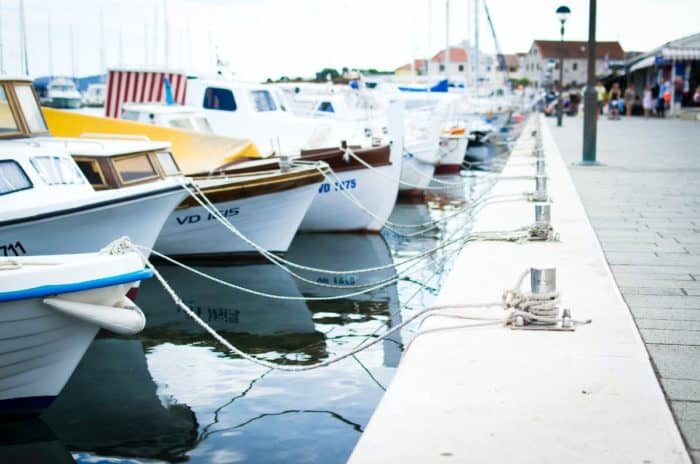
Storing your boat at a marina for the winter is never a bad idea. These can keep your boat safe and secure. But you need to make sure you have a contract for what is expected.
- Many marinas are just going to store your boat. You may be surprised to learn how many boaters expect winterizing as a benefit of winter storage.
- Most marinas will not touch your boat in preparation for the winter. You have to specifically pay for someone to winterize your boat.
- Never expect it as a part of your winter storage. If this was not a service the marina offered and you accepted, it won’t happen.
Hiring Someone to Winterize Your Boat
The process of winterizing a boat can be stressful and time consuming. If you’re not used to it or don’t have the time, you may want to hire someone. If you choose this as a course of action, make sure you are being careful and thorough.
- Write out a clear contract for what you are going to have done. You want this to spell out every step the person or company is going to take. Just saying “winterizing” is not specific enough. Itemize your list. Include things like the engine, the manifold, the bilge, the plumbing, and so on.
- Make sure you know what needs to be winterized. Don’t forget things like the head. Anything you forget that is not in the contract could end up breaking if it’s not properly winterized. If the company was not contracted to winterize it, the responsibility falls back on you.
- Use a credit card to pay once you have finalized a contract. If necessary you can work with your credit card company to dispute charges later. This may be necessary if the boat is not properly winterized. But you have a signed contract showing what was supposed to have been done.
The Bottom Line
The process of winterizing a boat does not have to be a difficult one. It does have to be done carefully and with attention to detail. Make sure you understand every part of your boat that needs to be winterized and why. This is important even if you’re hiring someone else to do the work.
Make sure you use winterizing antifreeze which is non-toxic. Read the labels of any product before use and follow the directions precisely. Anything that holds water in your boat needs to be properly winterized to avoid cold weather damage including burst pipes or a cracked engine.
Warm, southern states often have the most winter damage claims because boaters don’t think they need winterization. More and more often, states like Texas and Florida suffer harsh winters and boats end up needing thousands of dollars in repairs. Plan ahead to make sure it doesn’t happen to you.

Categories: nauticalknowhow









3 Comments
Alice Carroll on August 20, 2020
Thanks for the remind that changing the fluids in my boat is crucial when preparing for the winter. I recently bought my boat about three months ago so I’m not that familiar yet with the necessary maintenance it needs. I hope that I can find a service that give a boat motor engine flush so that I can see for myself how the replacing of the fluids happen.
Robert on December 3, 2020
Great article.
Winterization will cost you less than having the burden of repairs after winter. How much does it cost to winterize a boat is not the right question to ask, but how much can you save by winterizing your boat. You don’t only save yourself from the costly repairs; you also keep your boat’s extended life for a longer time. Having a DIY winterization process can keep your financial worries at a minimum.
Use a high-quality antifreeze for boats. Change the oil of your engine before winter kicks in. A warm engine helps flush out the old oil. Disconnect the batteries of your boat. Removing and storing them in a warmer location can maintain its condition for a good time. Get a durable boat cover. It may be expensive, but this is a significant investment you can bank on.
Robert Hogward on September 15, 2021
Great article. Include the suggestions from the websites supplied and consider the manufacturer’s instructions for winterizing my boat via the owner’s handbook as well. Now, I am in excellent condition for the winter.