Ranking The Best Boat Trailers for 2024
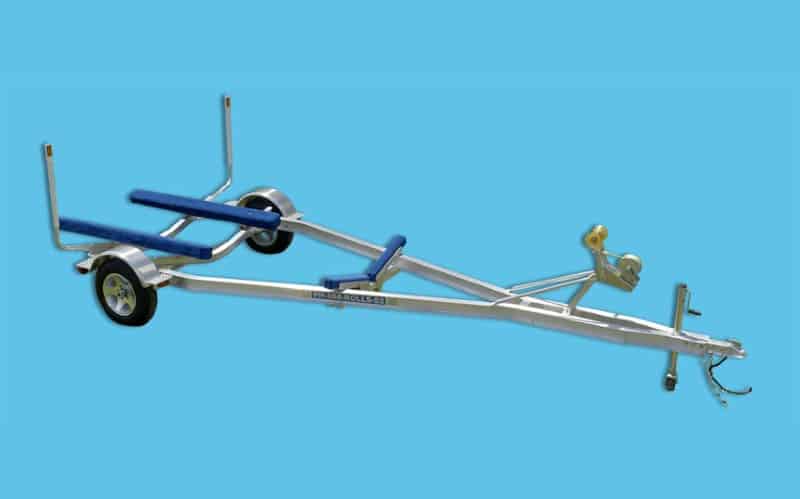
Rolls Axle Aluminum Trailers
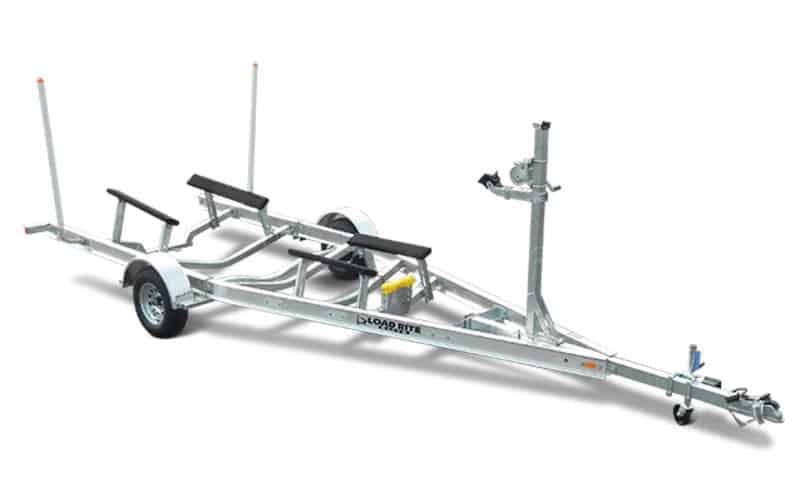
Load Rite Boat Trailers
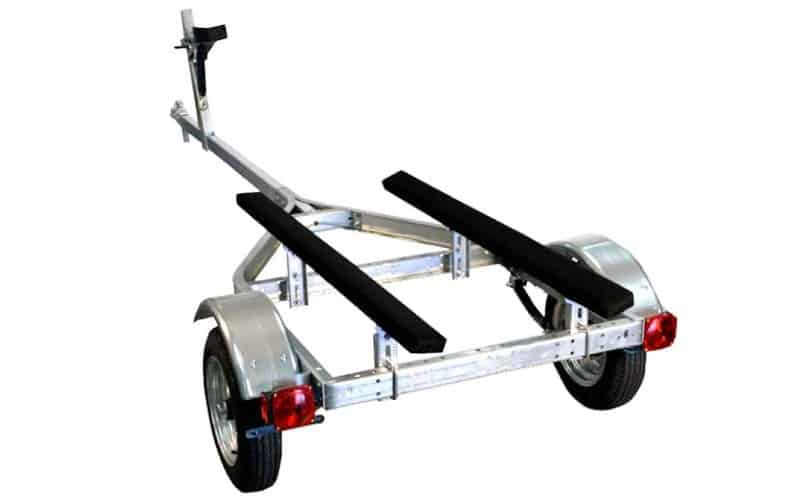
CE Smith Multi Sport Boat Trailer
Published by Ian Fortey in Boats Last updated on January 10, 2024
A boat trailer is not the sort of thing you’ll just look up on Amazon. It takes some digging to find the best boat trailers on the market. And you really need to customize it to your boat. After all, there are literally dozens of kinds of boats. No one trailer can meet everyone’s needs. For that reason, we’ll take a look at the best boat trailer manufacturers on the market. That will allow you to compare and contrast everything they offer. From a small PWC to a jon boat to a yacht, you’ll find the boating trailer you need.
Boat Trailer Manufacturers
These are the best manufacturers of boat trailers on the market. It’s best to familiarize yourself with what they have to offer to determine what best meets your needs.
Rolls Axle Aluminum Trailers
The Rolls Axle website may not look like much, but the trailers more than make up for it. The company manufactures every single part of their trailers themselves. They’re the only company that makes a 100% aluminum boat trailer. They guarantee their aluminum springs for life. They feature 3500 lb aluminum axles with stainless wear collars.
There are a lot of features that make Rolls Axle stand out. These include:
- An all aluminum winch stand, all aluminum tongue, and a 10000 pound strap. That offers unprecedented strength and security forgetting your vote set up.
- A 3000 lb plated jack with dolly wheel
- Centre cut cypress bunks with marine carpet. These are fully adjustable as well.
- An optional stainless steel hub
- 1/8 inch marine grade aluminum fenders
- Stainless steel safety cables, Hooks and fasteners
- Tripod design winch stand
- PVC or aluminum guidons and reflectors
- Capsulated Wesbar lights
- 3/16 in aluminum steps on the front and back of each fender
- Parts that are all machined by the company include:
- I-beam frame
- winch stand
- Crossmembers
- Fender
- Steps
- axle beam
- Tongue
- V-blocksupport
- Brackets
- Disc brake calipers
Rolls Axle does offer aluminum wheels as an option on their trailers as well. It’s worth noting that this is the only part that they don’t manufacture themselves. That’s not to say they’re not quality parts at all. But it’s nice that they’re open about the fact that these are supplied from elsewhere.
In addition to quality products, the company is known to offer great customer service. Most customers will tell you that they’re extremely responsive and friendly. They will probably also mention that if you pick up a Rolls Axle trailer it will last. You can expect it to still be in good condition 20 years later. You may need to replace the carpeting or some brackets, but overall it should be in good condition.
With the quality of the machining you can’t go wrong with the product that Rolls Axle produces. Factor in the lifetime guarantee on the spring and you have an excellent boat trailer.
Load Rite Boat Trailers
The best trailers on the market, in our opinion, are from Load Rite. They offer a variety of trailers to meet any boater’s needs. Load Rite has been making trailers in 28 different designs. You can get single axle as well as tandem axle, bunk style, roller style, and more. A larger boat is as easy to custom fit as a smaller one. No matter what you need to haul, Load Rite is going to have something to meet your needs.
Everything the company makes is made from galvanized steel. Their patented I-beam frame offers additional security and support. It conceals the brake lines and wiring and gets rid of the problem of over the frame u-bolts. Their bunks are made to increase security and support. At the same time they make it easier to load and unload your boat.
Load Rite trailers feature a number of benefits that make them a standout choice. Many boat trailers simply can’t compete. That includes things like:
- LED lighting
- Carpeted and adjustable inner guides
- Torsion axles
- Bead balance radial tires
- Single, dual, and try axles
- greasable hubs
- Disc brakes
- Single piece aluminum fenders and fender steps
- Quick slide bunk covers
- Tongue jacks, winches, and a winch stands
- A 2 + 3-year coupler to tail light warranty
- National Association of trailer manufacturers certification
- National Marine manufacturers Association certification
- Roadside assistance program
Load Rite also offers a number of options on their trailers. These really put them head and shoulders above the competition.
- Aluminum wheels
- Spare tire plus carrier
- Brakes on every axle
- Stainless steel disc brakes
- Stainless steel brake lines
- Electric over hydraulic brakes
- Stainless mainframe hardware
- Trap-style tongue jack
- Rubber fenders
- Carpeted skirt fenders
- Swing tongue
- Overall width up to 102 inches
- Independent bow stop
- Five starr rollers
Depending on the make and model that are also other options potentially is available as well. As you can see, the company really goes above and beyond in offering you the best features and options.
The company makes trailers that are able to handle up to 18,000 lb. That comes with a bow to trade some maximum of 36 feet. And an overall width of 102 in. Overall trailer lengths can get over 40 feet. There are smaller trailers are designed for 2200 lb with an overall length of just under 20 feet. As you can see, there’s a number at range sizes that they can accommodate.
With all the features and sizes available, you can’t beat Load Rite for the best boating trailer.
CE Smith Multi Sport Boat Trailer
The CE Smith multi-sport trailer costs quite a bit less than some similar models. It’s a simple design designed to get you from home to the water quickly and easily. This is designed for use with a freshwater boat. They are made from a sturdy galvanized steel frame. That allows it to carry up to 800 lb. With no load, it weighs 200 lb on its own. Your gross vehicle capacity is 1,000 lb. So obviously this isn’t for a giant boat, but small size boats should be handled pretty easily.
The trailer has an overall length of 140 in. That works out to just shy of 12 ft. The frame width is 40 inches while the overall width is 54 inches. From the coupler to axel it’s 120 inches. The frame sits 18 inches above the ground. The leaf spring suspension is durable and reliable.
The kit includes everything you’ll need to get the trailer up and running. The lights are Department of Transportation approved. There are 5 ft long adjustable carpeted trailer bunks. He’s come with dual supports, which stand, winch, hook, and strap. The hitch coupler has safety chains as well. The tires are 4.8 by 8”.
To help you better balance the load, the winch stand can be mounted anywhere along the trailer tongue. Overall it’s a basic, simple model. But a lot of times, that’s all you need. Hooking up the wiring for the lights is fairly straightforward. Getting the trailer hooked and unhooked from your hitch is also a pretty simple process. One thing to look out for is the cross members. They are not the sturdiest or biggest you’ll find on the market. For the price, however, they stand the test. If you’re looking for a simple trailer for a smaller boat, this is a great choice.
Malone Kayak Trailers
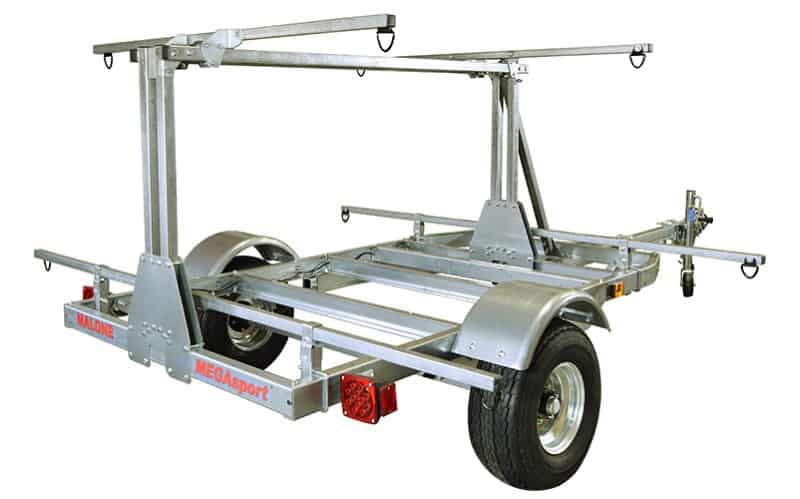
Malone makes some smaller trailers, in particular ones suitable for canoes and kayaks. It’s actually pretty rare to find ones this small that are durable and well made. For the size, they can handle quite a bit of abuse.
Depending on the trailer you choose, you can expect the following features:
- Triple leaf springs
- Marine-grade galvanized steel frame
- Reinforced tongue
- Tongue kickstand
- Department of Transportation approved LED lighting and axle bearings
- Pretested electrical system and chassis components
- Preassembled hubs
- 10 inch high speed wheels with sealed bearings
- Room for a 20 foot kayak up to 1000 lb
- Optional second tier
- Ability to carry up to 2 fishing kayaks plus gear
- Second tier with ability to carry up to 150 lb
- 86 inch load bars that are 25 inches off the ground
Malone also has larger trailers like the MegaSport 2 Boat ultimate angler package. These features additional perks like:
- Wire baskets
- Full size spare tire
- Storage drawer under kayaks
- Telescoping fishing rod storage tubes that can hold up to 6 rods
- Milk crate cage that can hold five standard crates
- 15 foot straps
- Second tier load bars
Overall, Malone has a good and diverse range of trailers to meet your needs. Their smaller kayak trailers are the real standout that the company has to offer. One thing you should be aware of, however, is that Malone can get pricey. Many of the Malone trailers can be two or three times as much as trailers from other manufacturers. The design quality is good, however. If you are looking for a versatile, high-quality trailer for a fishing kayak, Malone may be the best choice.
Yakima Rack and Roll Trailer
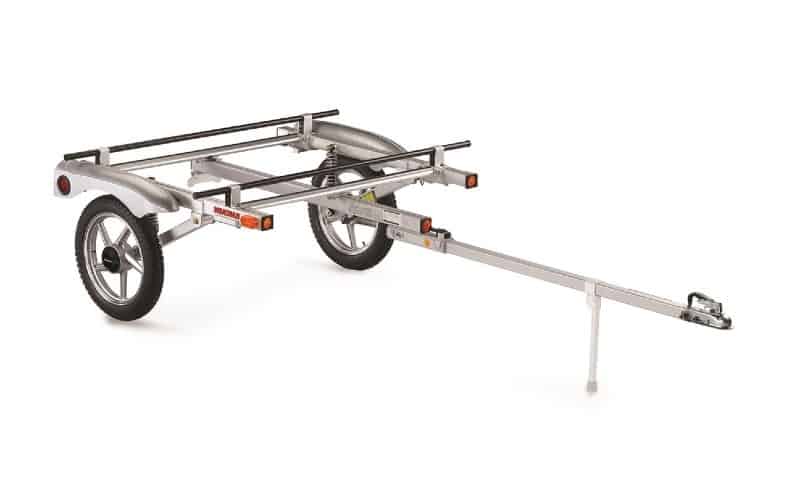
If you’re looking for a simple way to get a lot of gear from one place to another, the Yakima rack and roll is a great choice. This isn’t exclusively a boat trailer by any means. You can use the small trailer to transport bicycles, camping gear, and up to 5 kayaks. Obviously larger boats won’t work here.
The lightweight aluminum frame can handle some abuse. It offers sturdy support and a reliable ride from point A to point B. It also stores upright when you’re not using it. That will really help to save yourself some space.
The shock absorbers provide 4” of wheel travel. That offers decent stability compared to some others on the market.
The Yakima rack and roll trailer is not designed for big boats by any means. It only has a 250 lb capacity with stock suspension. You can boost that the 350 lb with the heavy-duty shocks. So you’re certainly not carrying your yacht down to the marina with this. However, a couple of canoes or kayaks will be handled pretty easily.
Depending on your needs, the trailer comes in two widths. You can get it at 66 inches or up to 78 inches across. The company offers a limited 1 year warranty. Out of the box the weight is just 160 lbs. This makes it ideal for the casual boater who just wants to go kayaking every once in a while. You can use it to haul other gear and the other time of year. When you’re done with it, stand it up in the corner of the garage.
Things to Remember

Choosing a new trailer doesn’t have to be a difficult decision. Unfortunately, it can be a difficult task if you’ve never tried to buy one before. With prices that range from a few hundred to many thousands of dollars, it can feel overwhelming. Let’s take a look at the key features you want to know about.
Single Axle vs Multi Axle Trailers
One of the big concerns you have about any boat trailer is the number of axles. Single axle trailers are meant for boats on the smaller end of the scale. Can get single axle trailers that can handle boats between 10 feet up to 23 feet. Obviously the bigger they get, the more you’re going to spend.
Double axle trailers are going to cost more than single axle. The big selling point is that these are sturdier and more powerful. A double axle trailer can carry a longer, heavier boat. You might be paying a few thousand dollars more for a double axle boat, however. You can expect that a boat somewhere between 16 ft to 25 feet would do best on a double axle trailer. The weight capacity of a double axle trailer can get well over five thousand pounds.
Don’t put in the money for a double axle if you don’t have to. Many single axles are made to the same standards and are more than adequate. Only go double axle if the size of your boat demands it.
Boat Trailer Length
For the most part, the length of your trailer is pretty self explanatory. This does come with one thing to consider though. If you are looking at the specs for your boat, be cautious with length overall. Often this includes things like swim platforms. Anything that extends beyond the boat proper is included in length overall. However, on your trailer, these things won’t be attached. Make sure you have the right length measurement for your boat alone. The trailer should be about 2 feet longer than your boat.
Boat Trailer Weight
It’s important to understand the weight of your trailer alone, and its weight capacity. You’ll need to understand things like gross vehicle weight rating. Also your gross combined weight rating. These take into account the weight of the trailer, your vehicle, the boat’s weight, and your cargo. Miscalculations here can be dangerous.
Boat Trailer Frame Material
What your boat trailer is made from has a bearing on how it works. A trailer that is not made to be strong and durable is no good. Aluminum trailer frames are often best. These are lightweight but strong. They can easily back down a launch ramp without straining your tow vehicle.
Whether you’re launching your boat into fresh water or brackish water matters. Some materials will obviously be more susceptible to corrosion. Aluminum frames are not as strong as steel. They tend to leave wiring more exposed also. This is not always true, however. But the strength to weight ratio is excellent. Their corrosion resistance is a great feature.
Steel frames are much stronger. The downside is they are heavier. They are also much more prone to rust and corrosion. Plus you can paint a steel trailer to match your boat. Painted steel does need to be maintained, though.
Always be careful if you know you’ll be in saltwater. Especially if you back your trailer right into the water. Parts of the wheels could corrode very fast. A galvanized steel frame is better at handling this. You can’t paint it like a normal trailer, mind you. But it can handle hauling your watercraft to the ocean better.
Boat Trailer Hitch Types
Not everyone pays attention to the hitch but they should. There are different classes of hitches out there. If you don’t know what a Class II hitch is, you should look it up before buying a trailer that has one.
- Class I hitches can handle boats up to 2000 lbs.
- Class II hitches are for boats up to 3500 lbs
- Class III hitches are for boats up to 5000 lbs
- Class IV hitches can safely tow a boat that weighs up to 12,000 lbs
- Class V hitches are good up to 18000 lbs
- Remember, this rating includes the weight of the boat plus the trailer. You never want to risk a lower class hitch on a higher weight.
How Do You Determine Towing Capacity?
If you don’t already know, you can figure this out with a little work. You may have to Google your vehicle, however.
First, find your vehicle’s towing capacity. This should be in your owner’s manual. Look it up online if you can’t find it.
Use your VIN number to find curb weight. You can find it at the base of the windshield near the driver’s side. You should have a sticker inside the door frame on the driver’s door as well. If it’s not there, look up your VIN number online.
Now you need to add the weight of your fuel, gear and passengers. Subtract that number from the GCWR on the sticker or that you found online. GCWR stands for Gross Combined Weight Raring. This will give you the vehicle’s max towing capacity. Now you know what the trailer and boat combined can safely weigh.
The Bottom Line
Not everyone is going to need a serious boat trailer. If you just like to canoe or go bass fishing once or twice a season, you may not need a $10,000 trailer at all. Maybe an all purpose trailer will do just as well as a dedicated boat trailer for you. The best trailer is the one that meets your needs, not the fanciest or more expensive one.
Whatever trailer you choose, make sure you know how to use it. Test it to make sure the wheels are in good condition each and every time. Check the rollers and boards and straps. Make sure the lights function properly as well. Always check the hitch and wiring before and after use.
If you notice damage, make sure you get it addressed as soon as you can. Never overload a boat trailer. It’s for your own safety as much as everyone else’s. Keep it stored well in the off season. This will help prevent rust and keep everything working smoothly.
A good boat trailer can last for many seasons if it’s well maintained. Be smart and cautious and have fun when you finally get the boat on the water.

Categories: Boats